
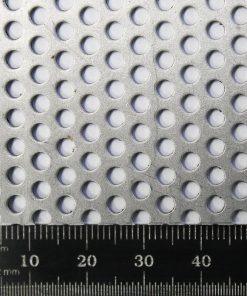
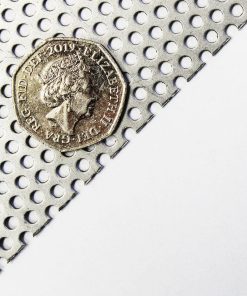
15mm Round Perforated Sheet Aluminium Plate | 21mm Pitch x 2mm Thick
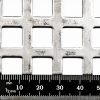
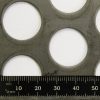
Original price was: $38.15.$22.88Current price is: $22.88.
£ MULTIBUY SAVINGS – Order 3 For 10% Off
✔ Specialists In Rapid Shipments Of Any Size
✔ FREE UK Delivery Included
✔ Immediate Express Dispatch From Stock
✔ Tracked Delivery with Order Updates
✔ 30-Day Returns Accepted
@ ☏ Bespoke Cuts & Larger Sheets Available
If you’re looking for a high-quality material for your next project, a perforated sheet aluminium plate might be just what you need. And if you’re looking for a particularly dependable type of aluminium plate, 15mm round perforated sheet aluminium from Speciality Metals might be the way to go. This plate is known for its corrosion resistance, durability and malleability. Plus, it has excellent hygiene properties, which makes it ideal for use in food preparation and medical environments. And because it’s odorless, lightweight and a good conductor of both thermal and electrical energy, it can be used in a variety of different ways. Whether you need it for construction, automotive or aerospace applications, this perforated sheet aluminium plate is a great choice.

Perforated Sheet Aluminium Plate
Top quality perforated sheet aluminium plate supplied straight from Warrington, UK.
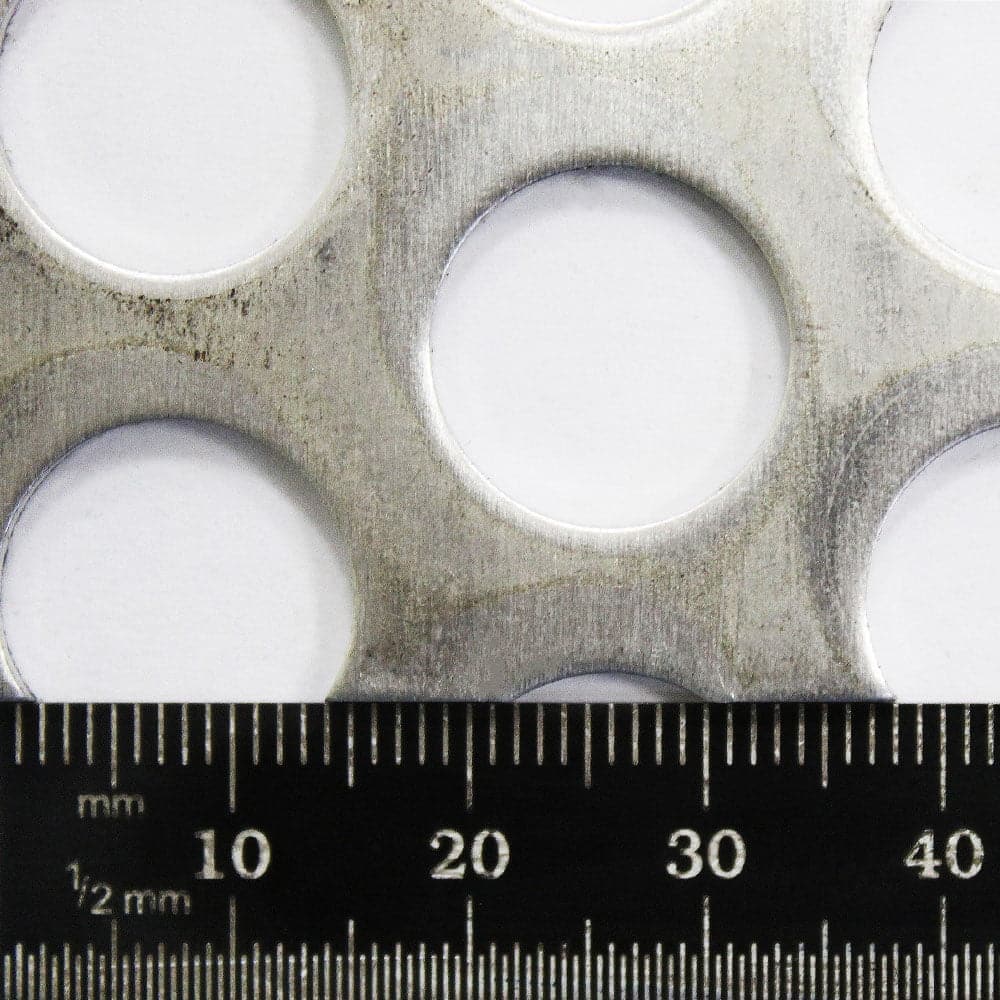
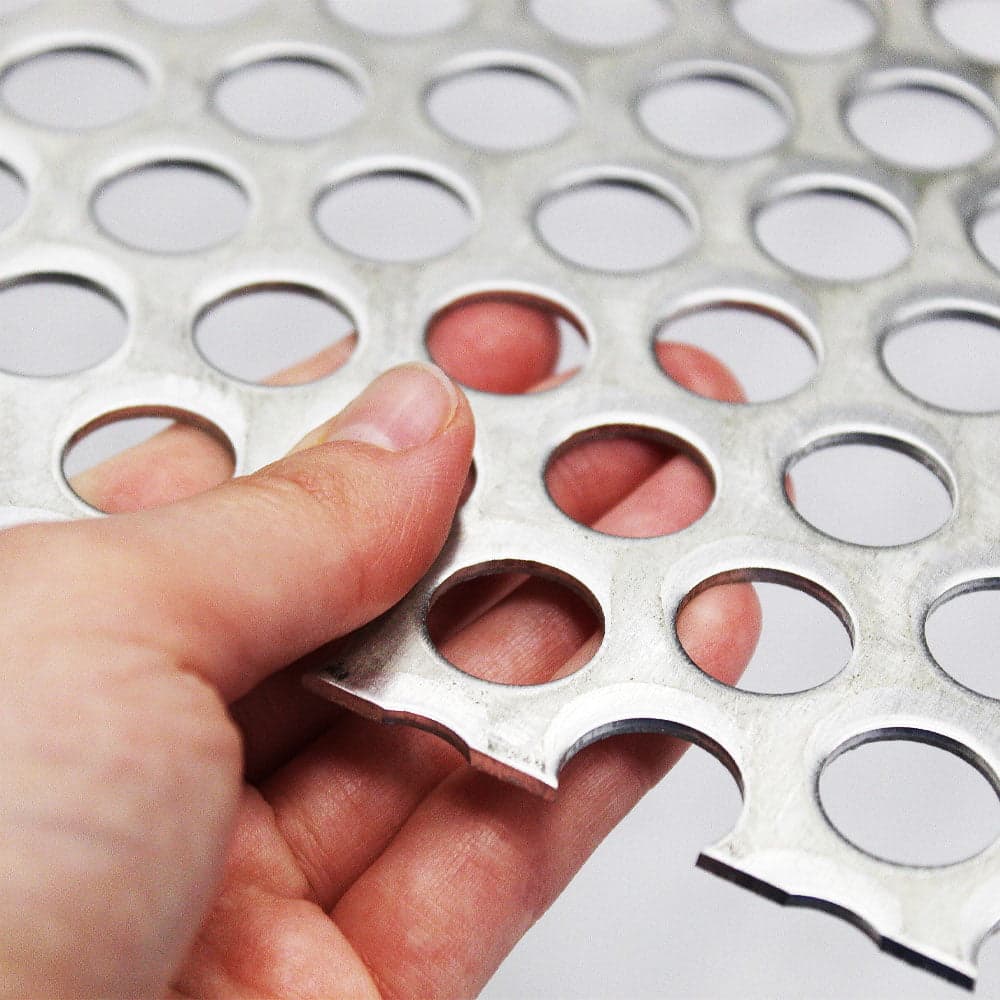
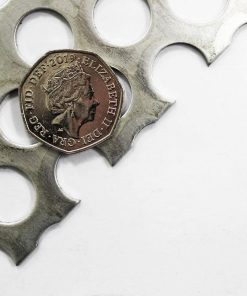
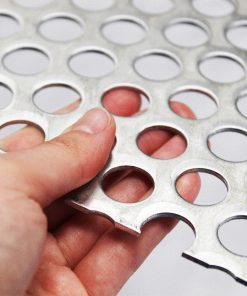
The 15mm Round Perforated Sheet Aluminium Plate from Speciality Metals is specifically designed to provide efficient ventilation and drainage, as well as being visually appealing. This product is an ideal choice for a wide range of applications, its hygiene properties ensure odorless and clean environments in places where it is installed. The plate is also lightweight, malleable and highly corrosion-resistant, making it incredibly durable in a wide range of environments. Additionally, aluminum exhibits excellent thermal and electrical conductivity, resulting in reliable and efficient performance over time. For those looking for a versatile and reliable material, Speciality Metals’ perforated sheet aluminium is a smart choice.
Specifications:
- Metal – Aluminium
- Hole Shape – Round
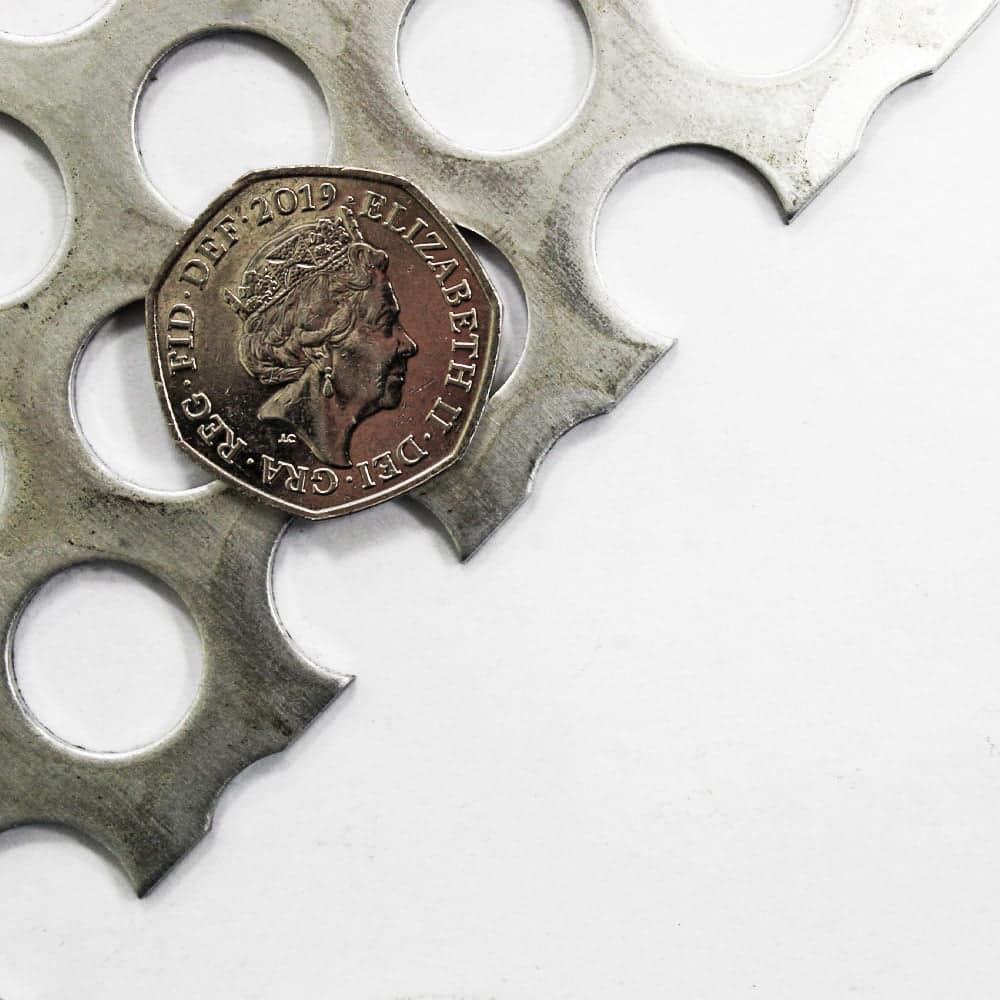
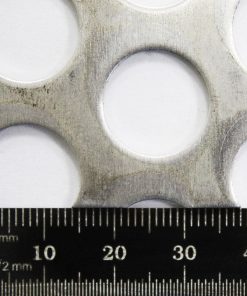
- Aperture – 15mm
- Pitch – 21mm
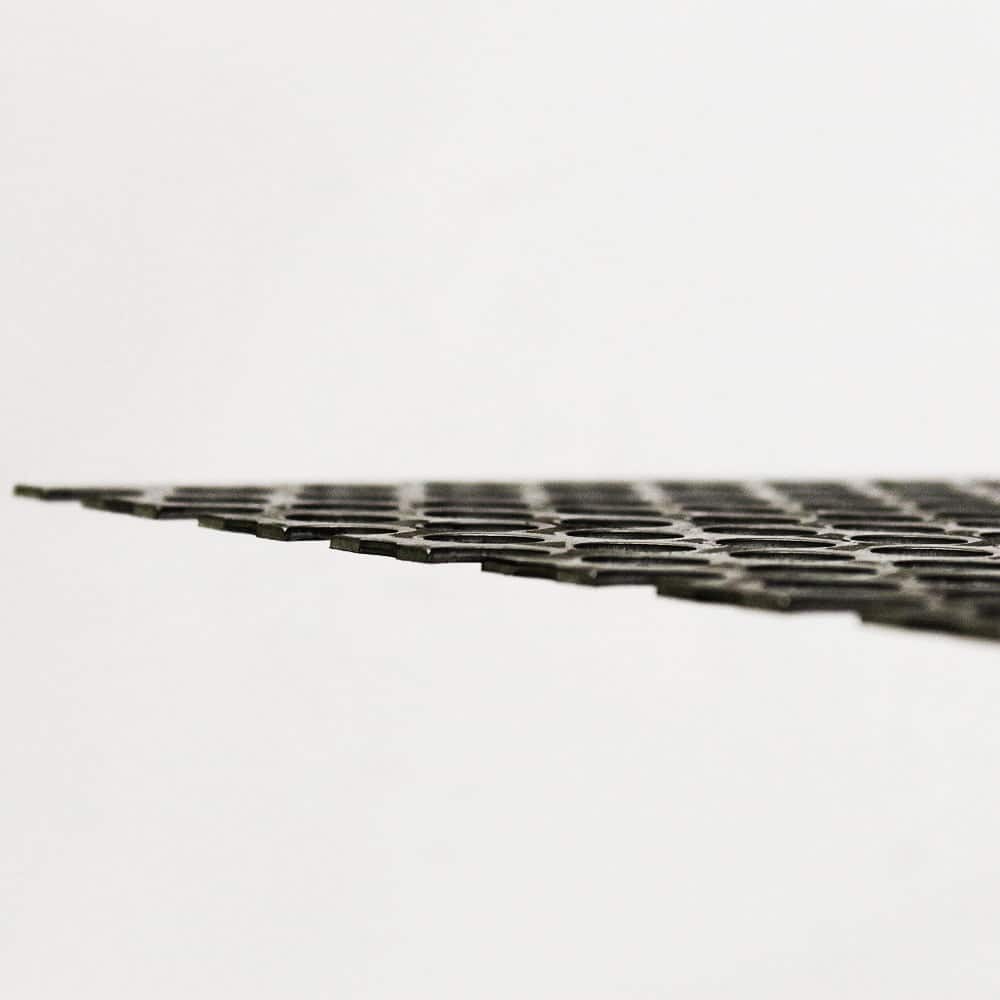
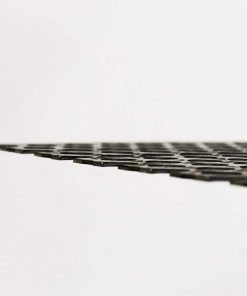
- Thickness – 2mm
- Open Area – 46.3% Open Area
We also are the exact suppliers for you because:
- FREE UK delivery on all orders
- Order dispatch within 24 hours of order
- Located in Warrington, UK which is the UK home of mesh and metals
- Our experienced staff are experts in the mesh market and care personally about your customer experience
Furthermore we stock a vast range of plain sheet metal options that compliment our mesh range perfectly.
FAQs About This Product
Is it Possible to Repair Damaged Aluminum Perforated Mesh?
Repairing damaged aluminum perforated mesh is possible, but the effectiveness and aesthetics of the repair largely depend on the extent and type of damage. Here’s a general overview of how such repairs might be approached:
-
Minor Scratches and Scuffs:
- These can often be buffed out using a fine abrasive pad or specific aluminum polish. Always rub in the direction of the grain or existing finish to avoid creating more noticeable marks.
-
Dents:
- Small dents can sometimes be pushed out from the back or gently hammered out using a rubber mallet. For larger dents, it might be more challenging to restore the original shape without causing additional damage.
-
Tears or Breaks:
- For small tears or breaks, a patch of similar aluminum material can be used. The patch should be cut slightly larger than the damaged area, and it can be attached using epoxy designed for metal or even rivets, depending on the application and aesthetics.
- Welding is another option, but welding aluminum requires skill and specific equipment. Welding can also alter the appearance of the mesh, potentially making the repair visible.
-
Corrosion:
- If the aluminum mesh shows signs of corrosion (which is relatively rare for aluminum but can happen in specific environments or if the mesh is in contact with dissimilar metals), the corroded areas should be cleaned using a suitable cleaning agent or mild abrasive. After cleaning, it’s advisable to apply a protective coating or finish to prevent further corrosion.
-
Replacement:
- In cases where the damage is extensive or if the mesh is integral to a structure’s safety or functionality, it might be more practical to replace the damaged section entirely.
-
Coatings and Finishes:
- If the original mesh had a specific finish or coating, repairs might affect this finish. In such cases, you might need to reapply a finish or coating to the repaired area or the entire piece to ensure a uniform appearance.
-
Professional Assessment:
- For significant damage or when aesthetics are paramount, it might be worth consulting with a professional who specialises in metalwork or aluminum repairs. They can provide guidance on the best repair method or determine if replacement is more appropriate.
Are There Any Specific Tools Needed to Cut or Modify the Mesh?
Yes, when working with aluminum perforated mesh, certain tools can help you achieve precise cuts and modifications while ensuring safety. Here are some tools and equipment commonly used:
-
Safety Gear:
- Safety Glasses: To protect your eyes from flying debris.
- Gloves: To protect your hands from sharp edges.
-
Cutting Tools:
- Tin Snips or Aviation Snips: Suitable for cutting thin aluminum mesh. They come in left-cutting, right-cutting and straight-cutting varieties.
- Electric Metal Shears: For more substantial sheets or when you need to make several cuts, electric shears can make the job faster and easier.
- Jigsaw with a Metal Cutting Blade: Useful for cutting intricate shapes or curves in the mesh.
- Circular Saw with a Metal Cutting Blade: Ideal for straight cuts across larger sheets.
- Angle Grinder with a Cut-off Wheel: Useful for both cutting and edge finishing.
-
Marking Tools:
- Permanent Marker or Metal Scribe: To mark where cuts need to be made.
- Ruler or Straight Edge: To ensure straight lines when marking.
-
Clamps:
- Used to secure the aluminum mesh in place while cutting, which helps in making accurate cuts and also enhances safety.
-
Files and Sandpaper:
- These are used for deburring and smoothing the cut edges, ensuring there are no sharp points left.
-
Drill with Metal Drill Bits:
- If you need to create additional holes or expand existing ones.
-
Bending Tools (if required):
- Bending Brake or Sheet Metal Brake: Useful if you need to make precise bends in the mesh.
- Rubber or Wooden Mallet: For manual bending or shaping.
How Does Weather Impact the Longevity of Outdoor Aluminum Perforated Installations?
The weather plays a significant role in influencing the longevity of outdoor aluminum perforated installations. Aluminum, by its nature, is resistant to corrosion, especially when compared to other metals like iron. This resistance is primarily because aluminum forms a thin, protective oxide layer when exposed to air, which acts as a barrier against elements like moisture. However, in regions with high salinity, like coastal areas, or in highly acidic or alkaline environments, aluminum can experience some corrosion. Prolonged exposure to such conditions might cause the aluminum’s surface to pit or become rough. Moreover, fluctuating temperatures can lead to thermal expansion and contraction, which over time might affect the structural integrity of the installation. Additionally, constant direct UV exposure may cause discoloration or degradation of any protective coatings or paints applied to the aluminum. However, despite these challenges, with proper treatment, coatings and maintenance, aluminum perforated installations can remain functional and aesthetically pleasing for many years in most outdoor environments.
Is Aluminum Perforated Mesh Recyclable?
Absolutely, aluminum perforated mesh is recyclable. Aluminum is one of the most widely recycled materials in the world due to its ability to retain its properties even after multiple recycling processes. Recycling aluminum consumes only a fraction of the energy required to produce primary aluminum from ore, making it environmentally efficient. When aluminum perforated mesh reaches the end of its life cycle, it can be collected, melted down, and then reformed into new aluminum products without any degradation in quality. This cycle can be repeated indefinitely, making aluminum an exceptionally sustainable material choice. Incorporating recycled aluminum in manufacturing not only reduces the demand for raw materials but also significantly decreases greenhouse gas emissions. Thus, using and recycling aluminum perforated mesh contributes to sustainable practices, benefiting both industry and the environment.
Check out our blog discussing What is Perforated Mesh. It will prove a useful read to help you to make an informed decision on which material would work best for you.
We are also very proud of our ever expanding YouTube channel.
Our goal for our blogs, videos and help guides is to answer as many questions as possible to help to explain the possibilities of mesh to our customers. Contact us today if you have any questions at all. We are always really keen to help in any way that we can.
We are also very proud of our highly popular eBay store, check us out there too.
Thank you for checking out our product.
| Perforated mesh |
|---|
Be the first to review “15mm Round Perforated Sheet Aluminium Plate | 21mm Pitch x 2mm Thick”
Related products
Mild Steel Full Size Sheet
20mm Round Hole Mild Steel Patterned Metal Sheet | 28mm Pitch x 3mm Thick | 2 x 1 Metre Panel
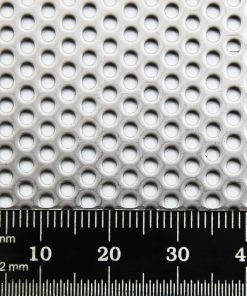
Mild Steel Full Size Sheet
2mm Round Hole Metal Grill Sheet | 3.5mm Pitch x 1.5mm Thick | 2 x 1 Metre Panel
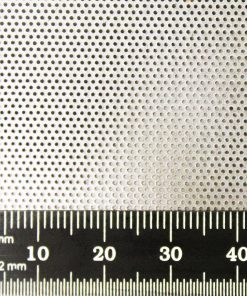
Mild Steel Sheet Cut To Size
0.5mm Round Hole Mild Steel Perforated Metal | 1.09mm Pitch x 0.5mm Thick
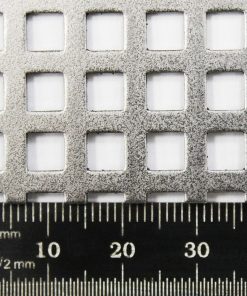
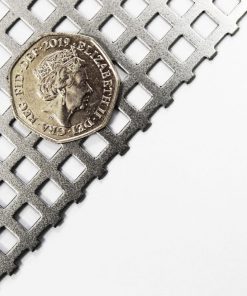
Mild Steel Sheet Cut To Size
Mild Steel Perforated Mesh Plate (5mm Square Hole x 8mm Pitch x 1mm Thickness)
304 Perforated Stainless Cut To Size
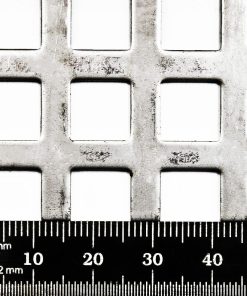
10mm Square Hole – 15mm Square Pitch – 1.5mm Thickness – SS304 Grade – Perforated Metal Mesh
304 Perforated Stainless Cut To Size
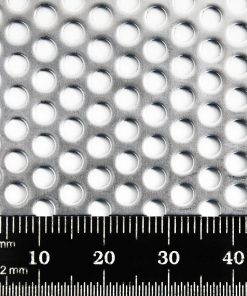
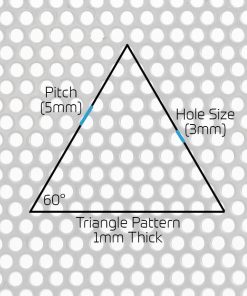
3mm Round Perforated Stainless Steel Mesh Sheets | 5mm Pitch x 1mm Thick
Mild Steel Full Size Sheet
3mm Round Hole Perforated Metal Full Sheets | 4mm Pitch x 2mm Thick | 2 x 1 Metre Panel
304 Perforated Stainless Cut To Size
5mm Square Hole Perforated Stainless Steel Mesh | 8mm Pitch x 1.5mm Thick
Reviews
There are no reviews yet.